

GPS tracking revolutionizes automotive management, offering real-time data for diverse applications through Select Automotive Apps. Businesses gain strategic advantages like optimized resource allocation, improved customer satisfaction, and enhanced vehicle security by leveraging these apps. Key considerations include parent control apps, auto repair app reviews, advanced safety features, compatibility, user reviews, regular updates, and data privacy. Setup involves selecting compatible hardware and software, configuring alerts, and maintaining regular updates. Select Automotive Apps enhance safety through real-time tracking, proactive maintenance, parts inventory management, and improved fleet operations.
In today’s world, tracking a vehicle’s location has become an indispensable tool for various applications, from fleet management to personal safety. With the proliferation of automotive technology, understanding and utilizing Global Positioning System (GPS) tracking is more crucial than ever. However, the vast array of options, including numerous Automotive Apps, can make navigating this landscape challenging. This article aims to demystify GPS vehicle location tracking, focusing on the most advanced and reliable solutions available, specifically highlighting the role of select automotive apps in enhancing safety, efficiency, and peace of mind for drivers and businesses alike.
- Understand GPS Tracking for Vehicles
- Choose the Right Automotive Apps
- Install and Set Up Vehicle Location Tracking
- Monitor and Optimize Your Fleet's Safety
Understand GPS Tracking for Vehicles
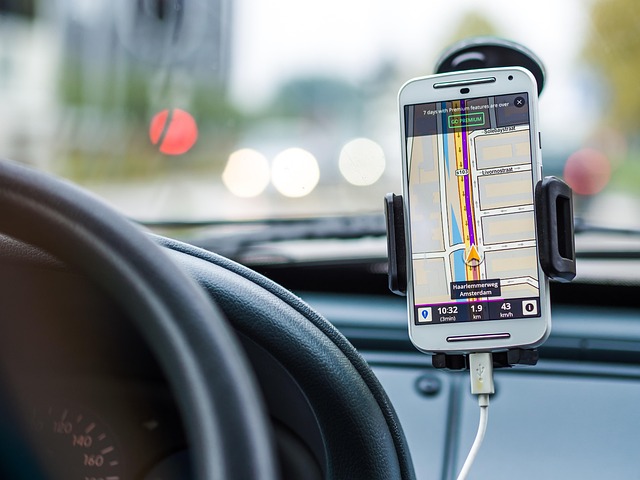
GPS tracking for vehicles has evolved from a niche technology to an indispensable tool for modern automotive management. At its core, GPS enables real-time location monitoring, providing critical data that aids in everything from fleet logistics to individual vehicle care. For businesses, selecting the right Automotive Apps is crucial; tools like GPS trackers integrated with comprehensive auto shop marketing strategies can significantly enhance operational efficiency and customer engagement. Consider a scenario where a car wash pricing app, synchronized with GPS tracking, allows customers to not only view competitive rates but also see their vehicle’s exact location within the facility, enhancing transparency and convenience.
One of the most practical applications lies in scheduled maintenance reminders, particularly for critical components like brakes. Brake maintenance reminders, leveraging GPS data, can notify owners when it’s time for a service based on their driving patterns and mileage. This proactive approach reduces the risk of unexpected breakdowns and enhances road safety. For instance, a study by the National Highway Traffic Safety Administration (NHTSA) revealed that 70% of vehicles with unmaintained brakes failed safety inspections, highlighting the importance of timely maintenance reminders. Integrating such features into an app can streamline auto shop operations, improve customer retention, and foster trust through proactive vehicle care.
In today’s competitive market, auto shops must adopt innovative solutions to stay ahead. GPS tracking and well-designed Automotive Apps offer a strategic edge by optimizing resource allocation, improving customer satisfaction, and fostering long-term loyalty. For example, a fleet management app that includes driver behavior analysis can help auto shops identify patterns leading to costly accidents or maintenance issues. By addressing these insights proactively, businesses can enhance their marketing strategies, targeting specific services like brake repairs or oil changes with tailored promotions using car wash pricing apps. Ultimately, leveraging GPS technology in vehicle tracking and maintenance fosters a culture of proactive care, ensuring customer satisfaction and business growth.
Choose the Right Automotive Apps

Selecting the appropriate automotive apps is a crucial step in enhancing vehicle security and efficiency. With numerous options available, understanding your specific needs becomes paramount. For instance, a parent control app for cars can offer peace of mind by allowing you to monitor and manage your teen’s driving habits, ensuring they stay safe on the road. Similarly, auto repair app reviews are invaluable resources, providing insights into reliable diagnostic tools that can help avoid costly mistakes during servicing or repairs.
One key area where apps excel is in advanced safety features like forward collision avoidance systems. These systems use GPS and other technologies to detect potential crashes and take evasive action if necessary, significantly reducing the risk of accidents. According to recent studies, forward collision avoidance systems have been shown to reduce rear-end collisions by up to 50%. Integrating such apps not only keeps you informed but also actively contributes to accident prevention.
When choosing automotive apps, consider their compatibility with your vehicle’s make and model, as well as user reviews for reliability and functionality. Ensure the app offers features that align with your priorities—whether it’s tracking location for fleet management, providing real-time diagnostics, or assisting in emergency situations. Regularly update your apps to benefit from the latest improvements and stay ahead of potential security vulnerabilities. By carefully selecting automotive apps, you can transform your driving experience, making it safer, more efficient, and better connected.
Install and Set Up Vehicle Location Tracking

Tracking a vehicle’s location using GPS technology is a valuable tool for various purposes, from fleet management to personal safety. Installing and setting up a vehicle location tracking system involves selecting the right hardware and software, integrating them seamlessly with your vehicle, and ensuring optimal performance. When choosing an automotive app for this purpose, consider options that offer robust features like real-time tracking, historical data logging, and alerts for unauthorized movements. Popular choices include apps designed for used car buying guides, which often come equipped with GPS tracking to aid in vehicle history checks.
The setup process begins with purchasing a GPS tracker compatible with your vehicle’s OBD-II port or installing an in-dash unit. Once acquired, these devices need to be configured using dedicated software or mobile apps. Many modern automotive apps provide intuitive interfaces for setting up alerts and defining specific parameters like speed limits and geographical boundaries. For instance, lane departure warnings, a feature found in several advanced driver assistance systems (ADAS), can be integrated into your tracking app to notify you when the vehicle veers out of its lane without a turn signal. This proactive safety measure is particularly useful for monitoring drivers’ behavior, especially during long road trips.
Proper installation and setup ensure that the tracker communicates effectively with the vehicle’s electronics. Regular maintenance involves updating the software to leverage the latest tracking technologies and algorithms, as well as checking air filter change intervals (which can impact GPS signal strength). Data privacy should also be a top priority; opt for reputable service providers who adhere to strict data security protocols, especially when dealing with personal or corporate fleet information. By combining advanced tracking tools with thoughtful app selection and regular updates, you’ll have a comprehensive system that enhances vehicle security, safety, and efficiency.
Monitor and Optimize Your Fleet's Safety

Tracking your fleet’s location through GPS offers a powerful tool for enhancing safety and optimizing operations. By selecting robust automotive apps designed for fleet management, you gain real-time insights into vehicle movement, enabling proactive measures to mitigate risks. For instance, many modern GPS solutions incorporate advanced driver assistance systems (ADAS), providing alerts for unsafe driving behaviors like sharp cornering or excessive speed. This not only improves road safety but also helps in training drivers and holding them accountable for their actions.
One critical aspect of fleet management is maintaining the condition of vehicles, especially in terms of brake maintenance and battery health. Automotive apps can send timely reminders for service schedules and part replacements, such as disc brakes or car battery chargers, based on usage data. For example, an app could notify you when a vehicle’s brake pads reach 30% wear, prompting inspection and replacement to avoid sudden failures that could lead to accidents. Similarly, tracking the health of batteries through dedicated apps ensures your vehicles start reliably, reducing the risk of breakdowns due to a weak battery.
Furthermore, effective fleet safety management involves keeping track of parts inventory. Software solutions can streamline this process by recording and monitoring spare parts as they are used or replaced. This not only helps in quickly identifying when critical components need replenishment but also prevents overstocking, which can tie up valuable capital. For instance, a well-organized parts inventory system can ensure that essential items like wiper blades, filters, or lighting components are always available for quick replacement during maintenance stops, minimizing downtime and enhancing fleet efficiency.
By understanding GPS tracking fundamentals and choosing the right Select Automotive Apps, individuals can significantly enhance their vehicle’s safety and efficiency. The process begins with installation and setup, ensuring devices are properly integrated for accurate location monitoring. Once deployed, continuous fleet safety monitoring allows for proactive response to potential issues, ultimately reducing risks and optimizing operations. This strategic approach leverages technology to maintain control and ensure peace of mind on the road.