

Car battery replacement costs vary by vehicle type, regional factors, driving habits, and maintenance. Luxury cars have pricier batteries. Apps offering real-time cost estimates, battery performance insights, and diagnostics are essential for proactive management. DIY replacement saves costs but carries risks; professional services (around $100-$200) ensure safety and expert care. Regular maintenance, including temperature control, quality charging, and terminal cleaning, extends battery life up to 5 years. Select Automotive Apps facilitate these practices, promoting safer driving and longer battery lifespan.
The car battery is a vital component of modern transportation, powering essential systems and ensuring a smooth ride. However, understanding the replacement cost can be a challenge for many vehicle owners. This article aims to demystify the expense behind battery replacement, offering a comprehensive guide for drivers to navigate this common yet costly repair. With a focus on transparency and practical insights, we’ll explore various factors influencing the price, including brand, age, and even Select Automotive Apps tools that can assist in making informed decisions. By the end, readers will be equipped with knowledge to budget effectively and make sensible choices regarding their vehicle’s health.
- Understanding Car Battery Replacement Costs
- Factors Influencing Battery Replacement Prices
- Selecting the Right Automotive App for Cost Estimation
- DIY vs Professional Battery Replacement: Cost Comparison
- Preventing Early Battery Failure and Maintenance Tips
Understanding Car Battery Replacement Costs
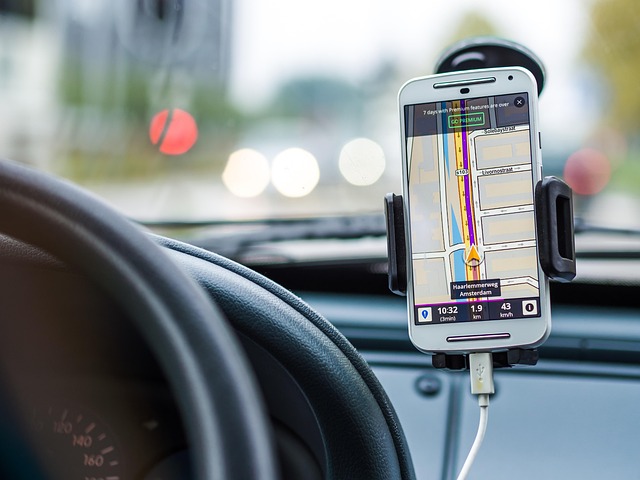
Car battery replacement costs can vary significantly based on several factors, making it crucial for vehicle owners to understand these variables before making a decision. The primary determinant is the type of battery—lead-acid batteries are common but more expensive to replace than lithium-ion alternatives, which offer longer lifespans and improved performance. Additionally, the make and model of your car play a role; luxury vehicles often come with higher-grade batteries that command premium prices. For instance, a high-end electric vehicle (EV) battery replacement could cost several thousand dollars compared to hundreds for an ordinary sedan’s lead-acid battery.
Another factor is location. Battery prices can differ regionally due to market dynamics, availability, and competition. Moreover, your driving habits and environmental conditions impact battery health. Harsh climates accelerate corrosion and drain, necessitating more frequent replacements. Regular maintenance, such as timely air filter changes and engine oil services (typically every 1-3 times based on vehicle specifications), can prolong battery life, offsetting replacement costs.
Selecting the right automotive apps can aid in managing these expenses proactively. Apps offering real-time traffic updates help avoid unnecessary idling, reducing battery drain. Some even provide reminders for service intervals like oil changes and air filter replacements, ensuring optimal vehicle performance and prolonging battery lifespan. Remember, proactive maintenance is key to minimizing unexpected replacement costs.
Factors Influencing Battery Replacement Prices

The cost of car battery replacement can vary significantly depending on several factors. Firstly, the make and model of your vehicle play a crucial role; luxury or high-performance cars often come with more advanced batteries that are more expensive to replace. For instance, a new battery for a premium sedan could range from $150 to $300, whereas a budget-friendly compact car might only require a $70-$120 replacement. Furthermore, the location of your battery’s position in the vehicle can also impact labor costs associated with replacement. Batteries in harder-to-reach areas may require specialized tools and more time for mechanics, thus increasing the overall price.
Another factor to consider is the age and condition of your current battery. Older batteries that have reached their end of life or show signs of corrosion or damage will generally cost more to replace due to the added complexity of the replacement process. It’s worth noting that some tire rotation reminder apps and blind spot detection systems are now integrated into modern vehicles, and these advanced features can indirectly affect battery costs. As these systems rely on proper battery function, a faulty battery could potentially trigger higher repair or replacement expenses.
Additionally, the market availability and demand for specific battery types can influence prices. Used car buying guide apps often emphasize checking a vehicle’s battery condition as part of a thorough inspection. If a particular battery model is in high demand but low supply, you may face higher replacement costs. To mitigate these expenses, regular maintenance, including timely battery checks and replacements according to your vehicle’s manufacturer recommendations, can prove beneficial.
Selecting the Right Automotive App for Cost Estimation

When considering a car battery replacement, one crucial step is to select automotive apps that offer accurate cost estimations for parts and labor. These tools can significantly aid in budgeting and planning. Modern technological advancements have led to a plethora of applications designed to streamline various aspects of vehicle maintenance, including battery health monitoring. For instance, apps like CarCare by AAA provide real-time insights into battery performance and potential failure points, allowing proactive measures.
Among these, battery health monitoring apps are invaluable resources for drivers. They offer more than just cost estimates; they empower users with data-driven decisions. Features such as remote diagnostics and battery life predictions enable drivers to stay ahead of potential issues, minimizing the likelihood of unexpected breakdowns. Moreover, many of these apps integrate seamlessly with roadside assistance membership benefits, ensuring that members receive priority service and potentially lower replacement costs.
Additionally, parent control app for cars can indirectly influence vehicle maintenance decisions by promoting responsible driving habits among young or novice drivers. While not directly related to battery cost estimation, these apps encourage safe driving practices that can reduce overall vehicle wear and tear, including battery longevity. When selecting an automotive app for cost estimation, look for those offering comprehensive coverage, user-friendly interfaces, and integration with other vehicle management tools, ensuring you receive the best value and support for your investment.
DIY vs Professional Battery Replacement: Cost Comparison

When considering a car battery replacement, whether you opt for a DIY approach or enlist professional help can significantly impact your bottom line. While doing it yourself can seem appealing due to cost savings, there are hidden expenses and risks involved that often make it more beneficial to turn to a qualified mechanic.
Professional battery replacements typically cost between $100 and $200, depending on your vehicle’s make and model. This includes labor fees, which cover the expert technician’s time and expertise in safely removing the old battery, installing the new one, and disposing of the old battery responsibly. Many used car buying guide apps provide insights into typical auto repair costs, helping you budget accordingly. For instance, according to recent data from Auto Repair Source, average labor rates range from $60 to $120 per hour, which can add up if you’re performing the work yourself.
On the other hand, attempting a DIY battery replacement may save initial outlay costs, but it comes with risks. Improper installation can lead to short circuits or even fires, voiding your vehicle’s warranty and potentially causing expensive damage. Additionally, special tools and equipment are often required, which many hobbyists might not possess. Local Mechanic Finder apps are excellent resources for locating reputable professionals in your area who specialize in battery replacements, ensuring a job well done the first time. Reviews on auto repair apps like Consumer Reports can also help you find honest mechanics with a proven track record of quality service and reasonable pricing.
Ultimately, while DIY enthusiasts may be inclined to save money by tackling this task themselves, enlisting professional help for battery replacements is often the wiser choice. It guarantees a safe, efficient job done right, preventing potential hazards and costly repairs down the line.
Preventing Early Battery Failure and Maintenance Tips

Preventing early battery failure is a crucial aspect of vehicle ownership that often goes overlooked until it’s too late. A car battery, on average, lasts between 3 to 5 years, depending on usage and environmental conditions. However, with proper care and maintenance, this lifespan can be significantly extended. One effective strategy involves leveraging modern technology, such as selecting the right automotive apps for your smartphone. Apps designed for parking assist, for instance, not only help you find spots but also monitor battery health through integrated synthex for car dealers, providing valuable insights into your vehicle’s performance and potential issues.
Regular maintenance plays a pivotal role in prolonging battery life. This includes avoiding extreme temperatures, as both heat and cold can accelerate corrosion and drain the battery. Using a high-quality battery charger during extended storage periods can also help maintain charge levels. Additionally, checking and cleaning battery terminals regularly ensures optimal current flow. Many auto repair app reviews highlight tools that offer step-by-step guides for these tasks, making them accessible even for non-mechanics. For instance, apps with built-in diagnostics capabilities can identify battery problems early on, allowing for timely replacement before complete failure sets in.
Another critical tip involves keeping your vehicle well-maintained. Regular oil changes and checks on fluid levels contribute to overall system efficiency, reducing stress on the battery. Avoiding short trips is also advisable, as these do not give the alternator enough time to fully charge the battery. Instead, longer drives allow the alternator to maintain optimal battery levels. Utilizing synthex for car dealers through automotive apps can further enhance this process by alerting you to service needs and providing recommendations based on your vehicle’s specific requirements.
Ultimately, preventing early battery failure is not just about saving costs; it ensures a safer and more reliable driving experience. By combining the right tools with sound maintenance practices, vehicle owners can significantly extend their battery lifespans, avoiding unexpected breakdowns and costly repairs.
By understanding the factors influencing car battery replacement costs, such as vehicle make and age, and by using select automotive apps to estimate prices, readers can gain significant insights into managing their budgets effectively. The article highlights that while DIY battery replacements may seem cost-efficient, professional services offer advantages in terms of quality assurance and long-term savings. Implementing regular maintenance tips and proactively preventing early battery failure can further extend the lifespan of your car’s most vital component. By selecting the right automotive apps and adopting proactive maintenance strategies, drivers can make informed decisions to minimize unexpected costs and ensure their vehicles remain reliable on the road.