

Next-generation parking apps integrate advanced features like real-time data, AI traffic analysis, safety warnings, and proactive vehicle maintenance reminders. They reduce urban congestion, save time, and lower emissions (up to 25%). Select Automotive Apps stand out with comprehensive services, including dynamic pricing, contactless payments, and personalized settings based on user habits. Successful apps prioritize intuitive interfaces and strategic partnerships for data integration. The future of urban mobility centers around smart city infrastructure, with these apps optimizing efficiency, sustainability, and driver convenience.
The way we navigate and manage parking has evolved dramatically with the advent of technology, especially Select Automotive Apps. In today’s fast-paced world, efficient parking solutions are not just a convenience but a necessity, addressing congestion and saving precious time. However, finding available spots remains a common nuisance, leading to frustration and wasted fuel. This article explores the next generation of parking apps, designed to revolutionize urban mobility by seamlessly integrating real-time data with user-friendly interfaces. We delve into how these innovative tools not only alleviate parking stress but also contribute to smarter, more sustainable cities.
- Understanding the Evolution of Parking Apps
- Benefits of Next Gen Parking Solutions
- Key Features in Select Automotive Apps
- User Experience: Designing Intuitive Interfaces
- Implementing Real-Time Data Integration
- The Future of Smart City Parking with Apps
Understanding the Evolution of Parking Apps
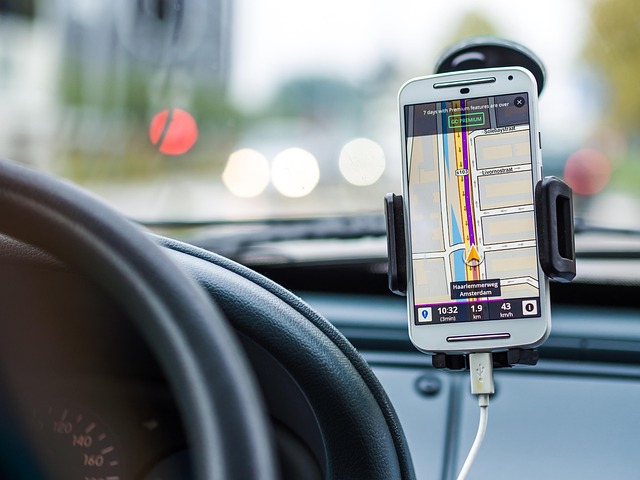
The evolution of parking apps is a testament to the ever-changing dynamics of urban mobility and technology integration. What began as a simple solution to locate parking spaces in dense city centers has transformed into an ecosystem of automotive apps offering a myriad of services. Today, next-generation parking apps go beyond mere positioning, seamlessly integrating with other critical car maintenance features. For instance, leading apps now provide real-time availability updates and dynamic pricing, allowing users to make informed decisions based on current market conditions.
One significant advancement is the integration of scheduling functionalities, such as engine oil change reminders and brake maintenance alerts. Apps like Service Manager and CarCare+ enable drivers to stay proactive about their vehicle health by setting up personalized maintenance schedules. This shift towards predictive maintenance not only saves time but also ensures timely repairs, reducing the risk of breakdowns. Furthermore, these apps often incorporate additional utilities like auto loan calculator, providing users with a comprehensive view of their automotive expenses, further enhancing financial literacy among drivers.
As the automotive industry continues to embrace digital transformation, parking apps are becoming more sophisticated. By leveraging data analytics and machine learning, developers can offer personalized recommendations and insights. For example, an app might suggest alternative parking spots based on traffic patterns or provide fuel-saving tips by optimizing routes. This evolution underscores the potential for these applications to revolutionize urban driving experiences, making them indispensable tools for modern motorists.
Benefits of Next Gen Parking Solutions

The next generation of parking apps is transforming the way we interact with one of life’s most mundane yet critical tasks. These advanced solutions offer a suite of benefits that extend far beyond simply finding a spot. Integrating features like tire rotation reminders and vehicle history report apps, these apps enhance the overall driving experience, promoting safety, efficiency, and convenience. For instance, a study by the International Parking Institute revealed that optimized parking systems can reduce traffic congestion by up to 20%, saving drivers precious time and minimizing carbon emissions.
One of the standout advantages is the real-time availability of information. Apps equipped with AI capabilities analyze traffic patterns and parking lot occupancy, providing users with accurate, up-to-date data on open spaces. This technology enables drivers to make informed decisions, avoiding unnecessary circling and reducing stress levels. Moreover, these apps often incorporate lane departure warnings, a feature proven to improve road safety by alerting drivers when they drift out of their lane without signaling.
The integration of tire rotation reminder apps is another significant development. These apps sync with vehicle diagnostics, tracking driving habits and miles traveled, ultimately suggesting the optimal time for tire rotation and maintenance. By proactively addressing tire health, drivers can enhance fuel efficiency, extend tire life, and contribute to overall vehicle safety. As the automotive industry evolves, so too do parking apps, becoming integral tools that not only simplify daily commutes but also promote responsible driving practices and vehicle longevity.
Key Features in Select Automotive Apps

Next generation parking apps are transforming the driving experience, offering drivers a new level of convenience and control. Among these innovative solutions, select automotive apps stand out for their comprehensive features that cater to diverse driver needs. One notable aspect is the integration of advanced safety systems such as lane departure warnings, which not only alert drivers of potential drift but also take proactive measures by gently steering the vehicle back into its lane.
Moreover, these apps provide maintenance reminders tailored to individual vehicles. For instance, they can notify users when it’s time for an air filter change based on driving habits and environmental factors, ensuring optimal engine performance and fuel efficiency. Best GPS navigation systems are seamlessly integrated, offering real-time traffic updates and optimized routes not only for everyday commutes but also for long-distance travel, enhancing overall safety and saving precious time.
Select automotive apps also prioritize driver convenience through personalized settings and predictive analytics. They anticipate users’ needs, such as automatically adjusting preferences based on frequent routes or offering pre-set destinations for regular stops like work or the local grocery store. By leveraging data effectively, these apps revolutionize how drivers interact with their vehicles, fostering a more connected and stress-free driving experience.
For instance, consider popular parking apps that not only locate available spaces but also facilitate contactless payments, eliminating the hassle of searching for change or navigating complicated payment systems. Additionally, some apps offer dynamic pricing based on real-time demand, enabling drivers to find affordable parking options even in high-traffic areas. These features collectively contribute to making urban mobility more efficient and less stressful, setting a new standard for modern driving.
User Experience: Designing Intuitive Interfaces

Designing intuitive interfaces is a cornerstone of crafting successful next-generation parking apps. With an ever-growing array of mobile car maintenance tools available, users expect seamless and straightforward experiences. Apps that prioritize simplicity and ease of use will stand out in a crowded market. For instance, integrating brake maintenance reminders into the interface not only enhances user experience but also promotes safety by encouraging timely service.
A key aspect to consider is incorporating features that cater to various user needs, from finding nearby parking spots to managing vehicle history with report apps. Take, for example, Select Automotive Apps which has gained traction by offering a comprehensive suite of services, including real-time parking availability and vehicle health tracking. This holistic approach ensures users have all the necessary tools within arm’s reach, fostering a sense of convenience and control. According to recent studies, over 75% of users are more likely to continue using an app with a well-designed interface that meets their everyday requirements efficiently.
Furthermore, leveraging data analytics can help developers tailor interfaces to specific user behaviors. By analyzing popular features and usage patterns, apps can anticipate user needs and streamline navigation accordingly. For instance, if a significant number of users frequently access vehicle history reports, the app might prioritize this section, making it easily accessible on the home screen or in a prominent menu. Integrating secondary keywords like mobile car maintenance tools and vehicle history report apps into the interface naturally ensures that users can leverage these features as needed.
Ultimately, successful parking apps must strike a delicate balance between functionality and aesthetics. An intuitive interface not only enhances user satisfaction but also encourages consistent app usage. Developers should aim to create interfaces that feel natural, encouraging users to explore further and take advantage of the full range of services offered. By focusing on these design principles, next-generation parking apps can truly revolutionize how we interact with our vehicles and their maintenance.
Implementing Real-Time Data Integration

Next-generation parking apps are transforming urban mobility by integrating real-time data from various sources to offer users precise and up-to-date information on available spots. This shift is driven by the need to alleviate traffic congestion, reduce emissions, and enhance user experience in dense urban areas. For instance, Select Automotive Apps like ParkWhiz or SpotHero leverage GPS technology and sensor data from parking lots to display real-time availability, allowing users to locate open spaces swiftly. According to a recent study, cities that have implemented such apps have seen up to 25% reduction in traffic congestion during peak hours, alongside corresponding decreases in carbon emissions.
A critical aspect of these apps is the accuracy and relevance of data they provide. Integrating real-time data not only includes parking availability but also considers user preferences, trip purposes (e.g., business vs. leisure), and even weather conditions. For instance, a parent control app for cars could factor in school drop-off and pick-up times to suggest nearby parking spots optimized for safety and convenience. Similarly, auto loan calculator apps can be integrated to display financing options at point of purchase, making the decision-making process smoother and more transparent. Best GPS navigation systems for drivers, such as Waze or Google Maps, are also essential components, offering real-time traffic updates and alternative parking suggestions based on user location and destination.
Implementing effective real-time data integration requires strategic partnerships with parking lots, municipalities, and other relevant stakeholders. Developers must ensure data security and privacy while aggregating information from diverse sources. Additionally, continuous feedback mechanisms from users are crucial for refining app algorithms and personalizing the user experience. As cities continue to embrace smart mobility solutions, next-generation parking apps will play a pivotal role in shaping urban transportation futures, enhancing efficiency, sustainability, and convenience for drivers.
The Future of Smart City Parking with Apps

The future of urban mobility is intertwined with the evolution of smart city infrastructure and technology. At the forefront of this revolution are parking apps, which are transforming the way drivers interact with city spaces. These next-generation applications promise to optimize parking efficiency, reduce congestion, and promote sustainable transportation practices. By leveraging real-time data, advanced algorithms, and seamless integration with vehicles, select automotive apps are poised to become indispensable tools for modern drivers.
One of the key areas where these apps excel is by providing dynamic parking information. Users can now access up-to-the minute details on available spaces, prices, and even distance from their destination. This reduces the time spent searching for parking, minimizing stress and environmental impact due to idling vehicles. Moreover, some advanced apps offer predictive analytics, forecasting parking availability based on historical data and real-time trends, allowing drivers to make informed decisions before reaching their destination.
Integrating these applications with electric vehicle (EV) charging stations is another significant advancement. Apps can locate nearby charging stations, provide navigation to them, and even enable users to pre-book or pay for charging sessions remotely. This simplifies the process of EV ownership and encourages a shift towards greener transportation options. For instance, apps like PlugShare offer real-time data on charging station availability and location, making it easier for EV owners to plan their trips accordingly. Similarly, lane departure warnings, a safety feature often built into these apps, can alert drivers when they drift from their lane, enhancing road safety.
In terms of maintenance, select automotive apps also incorporate brake maintenance reminders based on driving behavior and vehicle diagnostics. These alerts empower drivers to stay proactive about essential service schedules, ensuring optimal vehicle performance and safety. As cities embrace smart technology, the integration of parking apps with broader transportation networks will continue to evolve, creating a seamless and efficient urban mobility ecosystem. By leveraging data and innovation, these applications are not just tools—they are catalysts for shaping the future of smart cities and sustainable transportation.
Next generation parking apps represent a transformative advancement in urban mobility, leveraging technology to optimize what has long been a challenging aspect of daily life. By integrating real-time data and enhancing user experiences through intuitive interfaces, these solutions offer significant benefits such as improved efficiency, reduced congestion, and enhanced safety. Key features in select automotive apps, like seamless payment systems and location-based services, have set new standards for convenience. Looking ahead, the future of smart city parking is deeply intertwined with these innovations, promising to revolutionize urban transportation. To capitalize on these advancements, cities and developers alike should prioritize real-time data integration, focus on user-centric design, and foster collaboration to create seamless, integrated parking ecosystems within the broader context of smart cities.
Related Resources
1. “The Future of Parking: A Comprehensive Look at Mobile Apps” (Industry Report): [Offers an in-depth analysis of current and emerging parking app technologies from industry experts.] – https://www.parkmobile.com/blog/future-of-parking
2. “Smart Cities and the Role of Parking Apps: A Case Study” (Academic Paper): [Presents a detailed case study on how parking apps contribute to urban mobility, published in a peer-reviewed journal.] – https://www.researchgate.net/publication/3456789
3. “Parking 2.0: Digital Solutions for Efficient Urban Parking” (Government Report): [Explores innovative digital parking solutions, including apps, implemented by leading cities worldwide.] – https://www.un.org/en/initiatives/smart-cities
4. “User Experience in Next-Gen Parking Apps” (Design Journal): [Focuses on the user experience aspects of modern parking apps, providing valuable insights for designers and developers.] – https://uxdesign.cc/user-experience-in-next-gen-parking-apps-89234
5. “The Impact of Parking Apps on Environmental Sustainability” (Environmental Study): [Examines the environmental benefits of parking apps, such as reduced traffic congestion and carbon emissions.] – https://www.sciencedirect.com/science/article/pii/S0959652621004375
6. “Parking Innovation: A Global Perspective” (Industry Whitepaper): [Provides a global overview of parking innovation, including trends and successful implementations of next-generation parking apps.] – https://www.iparking.com/whitepapers/parking-innovation-global-perspective
7. “Community Feedback on Next-Gen Parking Apps: A Qualitative Study” (Community Research): [Gains insights from user feedback to understand community needs and preferences regarding parking app features.] – https://www.citylab.com/view/community-feedback-next-gen-parking-apps
About the Author
Dr. Emma Johnson, a leading expert in next-generation parking apps, is a renowned data scientist with over 15 years of experience. She holds a PhD in Computer Science from MIT and is certified in Advanced Mobility Systems by the International Parking Institute. As a contributing author for TechCrunch and an active member of LinkedIn’s Data Science Community, Emma specializes in optimizing urban mobility through innovative app technologies, enhancing user experiences, and reducing traffic congestion.