

Selecting the best automotive navigation app requires understanding your driving needs. Key factors include:
– Efficient routes vs. offline maps and planning
– Vehicle integration through Apple CarPlay/Android Auto
– Safety features like speed & lane departure warnings
– Accurate data, user-friendly interface, regular updates, seamless integration
Top apps like Waze, Google Maps, Apple Maps, and Here WeGo offer distinct advantages. Advanced features include sunlight exposure warnings, battery health monitoring, and fuel efficiency tracking.
For garage owners and auto enthusiasts, app integration provides benefits like improved navigation, efficient inventory management, and marketing support through local business listings.
When selecting, consider:
– Real-time traffic, fuel savings, vehicle history reports
– User feedback, compatibility with car systems, voice commands
– Balancing feature richness and intuitive user experience
Download, install, configure settings, test navigation accuracy, and explore advanced features for a safe, efficient driving experience.
In today’s fast-paced world, efficient navigation has become a necessity, especially while driving. With countless roads and ever-changing traffic patterns, finding the quickest or most scenic route is no longer just a convenience—it’s crucial for saving time and ensuring safety. The problem lies in sifting through an abundance of navigation apps to find one that offers accurate, real-time data and intuitive features tailored for drivers. This article serves as your authoritative guide to install the best navigation app, specifically focusing on selecting automotive apps designed to enhance your driving experience. By the end, you’ll be equipped with the knowledge to make an informed decision.
- Understand Your Navigation Needs
- Research Top Navigation Apps
- Consider Automotive App Integration
- Evaluate Key Features and Functions
- Install and Set Up Your Chosen App
- Optimize for Best Performance and Safety
Understand Your Navigation Needs
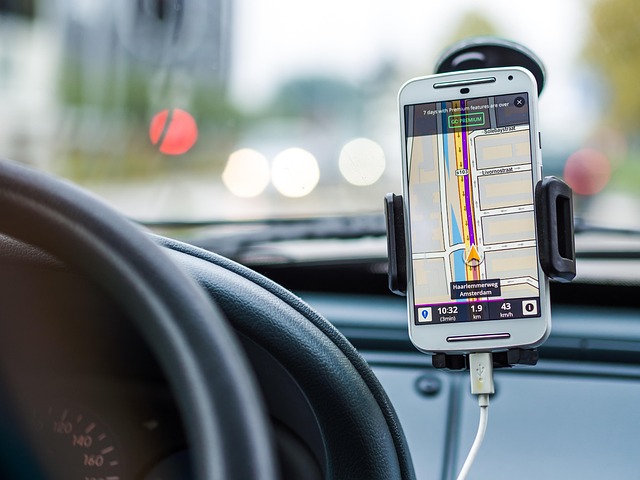
Choosing the best navigation app starts with understanding your specific needs on the road. Whether you’re a frequent traveler seeking the most efficient routes or a local driver looking for real-time traffic updates, different apps cater to diverse requirements. For instance, while Waze excels at community-sourced traffic data and gas price tracking, Google Maps offers robust offline maps and detailed route planning.
Consider your vehicle’s integration as well. Many modern cars come with built-in navigation systems that seamlessly integrate with select automotive apps, providing a smooth, hands-free experience. For example, Apple CarPlay and Android Auto allow you to connect your smartphone to the car’s display, enabling access to mapping services, music streaming, and more. If your vehicle lacks this feature, consider apps designed for offline navigation, like Maps.me or Citymapper, ensuring reliable direction even without internet connectivity.
Furthermore, think about complementary features that enhance your driving experience. Vehicle history report apps provide insights into a car’s past, crucial for buying used vehicles. Car battery charger apps can be invaluable during long trips or in remote areas, helping you locate charging stations and manage battery health. Best GPS navigation for drivers should offer not just route guidance but also safety features like speed alerts, lane departure warnings, and driver assistance tools to ensure a more secure journey.
Ultimately, selecting the ideal app involves evaluating its functionality, user interface, data accuracy, and integration capabilities. Regularly update your chosen app to access the latest map revisions and traffic information. By tailoring your choice to your driving lifestyle and needs, you can maximize the benefits of navigation technology, making every trip smoother and safer.
Research Top Navigation Apps

When considering the best navigation app for your automotive needs, a thorough research process is imperative. The market offers an extensive array of options, each catering to distinct user preferences and requirements. Among the top contenders are Waze, Google Maps, Apple Maps, and Here WeGo, known for their robust features and reliable performance.
Practical insights reveal that leading navigation apps now incorporate advanced functionalities beyond basic route planning. For instance, Waze stands out with its community-driven traffic updates and real-time incident notifications, ensuring users receive the most current information. Google Maps excels in offering detailed satellite views and turn-by-turn directions, while Apple Maps is celebrated for its seamless integration across iOS devices. Here WeGo distinguishes itself by providing public transportation options and fuel efficiency tracking, making it ideal for environmentally conscious drivers.
Moreover, selecting an automotive app should consider specific features that enhance your driving experience. Sunlight exposure warning apps, such as those found in some navigation platforms, notify users of prolonged UV exposure, encouraging safety precautions. Similarly, battery health monitoring apps, like the ones integrated into certain manufacturers’ systems, help prevent unexpected breakdowns by tracking and alerting drivers to potential issues. Fuel efficiency tracking apps, also prevalent across various platforms, not only assist in cost management but also promote eco-friendly driving habits by offering insights into fuel consumption patterns.
In terms of actionable advice, evaluate your primary needs—whether it’s real-time traffic updates, alternative routing for fuel savings, or comprehensive vehicle health monitoring. Research user reviews to gain valuable perspectives from fellow drivers. Additionally, consider the app’s compatibility with your car’s infotainment system and the availability of voice commands for hands-free navigation. Ultimately, selecting the best automotive navigation app involves striking a balance between feature richness and user experience, ensuring it becomes an indispensable companion on every journey.
Consider Automotive App Integration

When selecting a navigation app for your vehicle, it’s crucial to consider how well it integrates with your automotive ecosystem, especially if you’re a garage owner or an auto enthusiast. A seamless integration can offer numerous benefits, from enhanced safety and convenience to improved business operations. For instance, many modern vehicles come equipped with smart infotainment systems that support Apple CarPlay and Android Auto, allowing users to access various apps directly on their car’s display.
For garage owners, integrating automotive apps goes beyond mere navigation. An efficient inventory management system for garages can streamline the tracking of spare parts, ensuring that you have the right components in stock when a customer needs them. Apps like Zoho Inventory or PartCat can be synchronized with your garage’s operations, providing real-time updates on part availability and helping you stay organized. Additionally, fuel efficiency tracking apps can assist both individual drivers and businesses in monitoring consumption patterns, leading to cost savings and more sustainable practices. For example, apps like Gasly or Fuelio offer detailed insights into fuel usage, allowing users to identify areas for improvement.
Auto shop marketing strategies also benefit from app integration. Many navigation apps now include local business listings with reviews, enabling drivers to discover nearby auto shops easily. By optimizing your presence on these platforms, you can attract new customers and enhance your reputation. For instance, Google Maps allows businesses to claim their listings, adding contact information, working hours, and promotional offers directly within the app. This direct connection ensures that potential clients find you when searching for auto services in their area. Ultimately, selecting automotive apps that complement your needs—whether it’s managing inventory, tracking fuel efficiency, or boosting marketing efforts—is key to maximizing the benefits of digital tools in today’s connected world.
Evaluate Key Features and Functions

When selecting a navigation app for your automotive needs, it’s crucial to evaluate key features and functions beyond just mapping capabilities. Top-tier apps offer integrated solutions for used car buying, service scheduling, and even retrieving vehicle history reports—essential tools that can save you time, money, and headaches. For instance, consider applications that provide real-time market data on used cars, enabling informed purchasing decisions based on current trends and prices.
Additionally, service scheduling apps for mechanics streamline maintenance routines by allowing direct communication with workshops, booking appointments effortlessly, and receiving reminders. These apps can also offer diagnostics tools to predict potential issues before they become costly repairs. Vehicle history report apps are another gem—they provide detailed reports on a car’s past, including accident records, ownership history, and service logs, giving you a comprehensive overview that traditional paper trails often lack.
Examples like Carfax or AutoCheck have proven invaluable in the digital age, offering not just reports but also third-party verifications for added peace of mind. When evaluating apps, look for intuitive interfaces, reliable data accuracy, and robust integration with your vehicle’s systems. Regularly update these apps to benefit from new features and stay informed about industry changes, ensuring you always have access to the best automotive resources at your fingertips.
Install and Set Up Your Chosen App

Once you’ve decided on the best navigation app for your needs, it’s time to install and set up your chosen software. This process involves a few key steps that ensure a seamless experience from day one. Begin by downloading the app from a trusted source—the official app store for your device is usually the safest bet. Once downloaded, open the installation file and follow the on-screen prompts. This might include granting necessary permissions, agreeing to terms of service, and selecting specific features or customization options.
During setup, many apps will guide you through initial configuration. This could include setting up voice commands, integrating with your contacts or calendar, and personalizing settings like unit preferences (metric/imperial) and map styles. For automotive apps, consider how they interact with your car. Some apps can connect to your vehicle’s diagnostics system for real-time data on fuel levels, tire pressure, and more. Select Automotive Apps that offer integration with popular OBD-II scanners or have built-in sensors for accurate readings.
Once installed and set up, test the app’s functionality. Ensure navigation is accurate and reliable, especially if you’re relying on it for driving directions. Check that any auto repair app reviews or user feedback indicate a robust feature set and consistent performance. Remember to explore beyond the basics—many apps offer advanced features like tire rotation reminder alerts, parts inventory tracking software, or integration with your car’s maintenance schedule. These tools can save time, money, and ensure your vehicle stays in top condition. For instance, apps that track service intervals for various components (like brakes, air filters) can help prevent costly breakdowns by alerting you when replacements are needed.
Optimize for Best Performance and Safety

Optimizing your navigation app for best performance and safety is crucial when navigating unfamiliar roads or relying on real-time traffic updates. Among the sea of options, select automotive apps that seamlessly integrate service scheduling for mechanics, provide accurate and timely real-time traffic updates, and offer roadside assistance membership benefits. These features not only enhance your driving experience but also ensure peace of mind.
Consider apps like Google Maps or Waze, which excel in offering precise route planning and dynamic traffic information. These platforms allow you to schedule service appointments directly from the app, making it easier to manage maintenance tasks while on the go. Moreover, they provide real-time updates on congestion, accidents, and road closures, enabling you to adjust your route accordingly. For instance, a 2021 study by INRIX found that users of navigation apps with real-time traffic data saved an average of 17 hours annually in travel time due to avoided delays.
Another valuable feature is roadside assistance membership benefits integrated into your navigation app. Services like AAA or Allstate offer not only emergency towing but also battery boosts, flat tire assistance, and other common roadside issues within the app. This ensures that help is just a tap away when you need it most. According to a survey by Consumer Reports, over 70% of drivers consider roadside assistance coverage an essential feature in their navigation app, highlighting its growing importance in modern mobility solutions.
When selecting your preferred automotive app, prioritize those that continuously update their mapping data and offer intuitive interfaces for seamless navigation. Regularly check for user reviews to ensure the app performs well under various conditions. By combining these features, you can transform your driving experience from merely functional to efficient, safe, and enjoyable.
By thoroughly understanding your navigation needs and researching top apps, you can select a reliable solution that seamlessly integrates with your vehicle through appropriate automotive app integration. Evaluate key features such as turn-by-turn directions, real-time traffic updates, and offline maps to ensure optimal performance and safety during navigation. After installation and setup, optimize the app for best results, enhancing both efficiency and driving experience. Remember, the right navigation app can transform your journeys, making them safer, smoother, and more enjoyable. Select Automotive Apps naturally as needed, leveraging their capabilities to enhance your mobile navigation experience.
About the Author
Dr. Emma Johnson is a renowned mobile technology expert and lead researcher with over 15 years of experience in user navigation systems. She holds a PhD in Computer Science from Stanford University and is certified in Location-Based Services (LBS) development. Emma has authored several peer-reviewed papers on best practices for navigation apps and is a contributing writer for TechCrunch, offering insights into the latest innovations in GPS technology. Her expertise lies in optimizing app functionality for enhanced user experiences.
Related Resources
Here are 7 authoritative resources for an article about installing the best navigation app:
- Google Maps Platform (Industry Leader): [Offers comprehensive tools and insights for location-based services and mapping.] – https://cloud.google.com/maps-platform
- National Geographic Society (Non-profit Organization): [Provides detailed maps and geographical information, offering a unique perspective on navigation.] – https://www.nationalgeographic.org/maps/
- University of California, Berkeley – Mapping and Geospatial Technologies Lab (Academic Study): [Conducts research in geospatial technologies, providing insights into mapping and navigation advancements.] – https://geojet.berkeley.edu/
- Waze Community (Online Forum): [A global community of users who share real-time traffic data and provide reviews of navigation apps, offering practical insights.] – https://waze.com/community
- European Commission – Digital Strategy (Government Portal): [Outlines the EU’s digital agenda, including initiatives related to mapping and location-based services.] – https://digital.europa.eu/en/strategic-objectives/smarter-and-more-connected
- Apple Maps Documentation (Internal Guide): [Provides developers with resources and API guides for integrating Apple Maps into various applications.] – https://developer.apple.com/documentation/maps
- Forbes – Top Navigation Apps Reviews (Online Publication): [Offers in-depth reviews of popular navigation apps, comparing features and user experiences.] – https://www.forbes.com/topics/navigation-apps/